
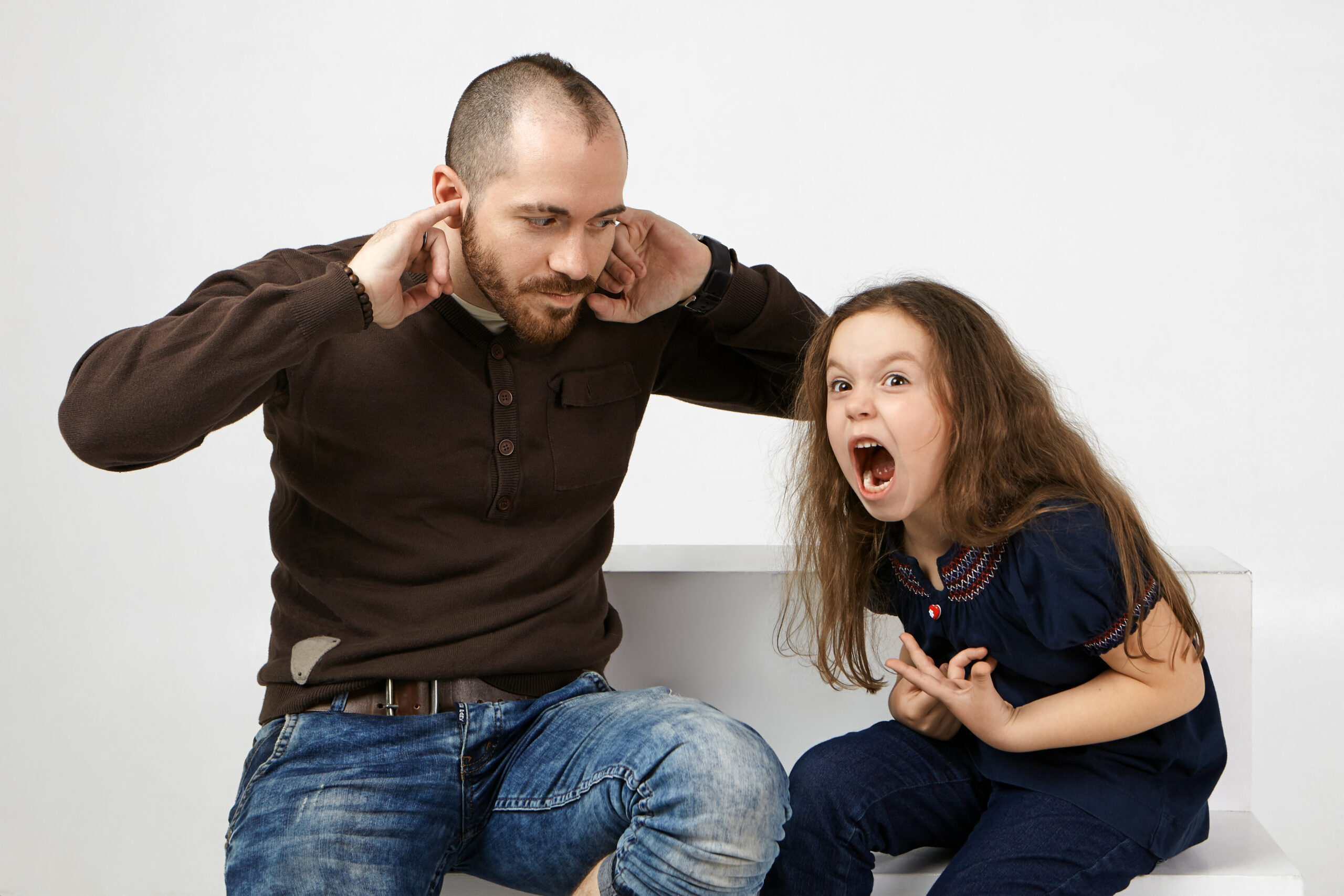
Observing your child being aggressive, whether it’s hitting, biting, shouting, or damaging things, can be a source of anxiety and stress. Many parents can relate to that feeling of helplessness. These outbursts seem out of character, and you worry it’s a sign of something more serious. The reassuring truth is that aggressive behavior in children is a common occurrence and often a developmental phase or a signal of unmet needs, rather than a sign of malicious intent.
Kids Care Pediatric equips you with the knowledge of why aggressive behavior in children occurs, how to distinguish normal developmental behaviors from concerning patterns, and, most importantly, practical, age-appropriate strategies to manage and redirect aggression. By understanding the psychology behind aggressive child behavior and implementing consistent, compassionate techniques, you can help your child develop emotional regulation and healthier ways to express their emotions.
What is Aggressive Behaviour in Children?
The aggressive behavior in children includes physical acts such as hitting, kicking, and biting, verbal aggression such as name-calling, yelling, and threatening, and destructive actions like breaking things. It also includes rational forms like intimidating peers, which can emerge even in young children.
From the perspective of aggressive child behavior psychology, most aggression stems from unmet needs or underdeveloped coping skills, sensory overload, frustration, fear, or a desire for attention. A child who lashes out is usually trying to communicate something like “I’m overwhelmed,” “I’m tired,” or “I don’t know what to do.” Understanding that aggression is often a symptom, not malice, helps parents respond with both boundaries and support rather than punishment alone. Teaching alternative communication and emotional regulation is central to long-term change.
Common Causes and Triggers of Aggression
Development Factors
- Limited verbal skills in toddlers, when children can’t say what they want, but instead use force
- Weak impulse control, younger children struggle to think and pause before acting
Environmental Triggers
- Overstimulation- Crowded places, loud rooms, or bright lights can cause sensory overload
- Frustration- Denied a toy, or unable to complete a task
- Basic Need- Lack of sleep, tiredness, or hunger leading to dramatically reduced patience
- Routine changes or stress, parental conflict, moves, or a new caregiver can destabilize behavior
- Sibling Rivalry- Competition for attention often sparks aggression
Medication and Developmental Considerations
- Conditions like ADHD or autism spectrum disorders can increase the frequency of aggression due to impulse control, sensory differences, or communication challenges. It’s essential to work closely with healthcare professionals to manage these conditions and their potential impact on aggressive behavior.
Emotional Factors
- Anger, sadness, fear, and anxiety may manifest outwardly. Some children act aggressively to mask vulnerability
By understanding triggers such as hunger, sleep, transitions, and noise, parents can proactively reduce outbursts and teach better ways to cope.
Types of Outbursts/Aggression in Children
- Instrumental Aggression– Goal-directed, like a toddler grabs a toy and hits to take it. The behavior is a means to an end, not primarily emotional retaliation. Teach sharing, asking, and negotiation skills.
- Reactive Aggression– An impulsive response to perceived provocation, like a child pushing back after being bumped. This is about hot emotions, teaching cooling down, and naming feelings.
- Relational Aggression– Hurting social bonds, like exclusion and spreading lies. More common as language and peer groups grow, but early sparks can appear. Address empathy, perspective-taking, and group inclusion.
- Hostile Aggression– Intent to intimidate or harm. This is less common in very young children; if present and persistent, it warrants careful assessment. Examples include repeatedly bullying, intentionally causing property destruction.
Age-Specific Strategies for Managing Aggressive Behavior
Toddlers (1-3 years)
Toddlers are learning ways to express themselves, language, boundaries, and self-control. Their brains are still developing impulse control, so redirection and simple teaching are most effective.
- Label Feeling– Model short words: “You’re mad,” “You’re tired.” This introduces emotional vocabulary.
- Redirection and Distraction- When a child starts to escalate, quickly offer an alternative (toy, activity) to shift focus.
- Consistent Routines- Predictability reduces anxiety and aggressiveness.
- Praise Positive Replacements: “You used your words, great!” reinforces desired behavior.
Preschoolers (3-5 Years)
Preschoolers have more language but still struggle with big feelings. Aggression toward caregivers, including child aggression towards mother, can feel especially hurtful but often reflects testing limits, attention-seeking, and emotional overload.
- Teach Alternatives– “Use your words,” “Show me gentle hands.” Practice asking for turns.
- Teach Emotion Names and Coping Tools– Role-play saying “I’m angry” or taking deep breaths. Use books and play to discuss feelings.
- Consistent Caregiving Responses- All caregivers should respond the same way; inconsistency rewards testing.
- Natural, Related Consequences- If a child hits to get a toy, remove access briefly or require repair/return—link consequence to action.
Early School Age (6-9 Years)
School-age children can reason more, so teach problem-solving and empathy while maintaining firm limits.
- Problem-Solving Skills- When calm, help the child name the problem and brainstorm alternatives like “What could you do when you feel mad instead of hitting?”
- Discuss Consequences and Responsibility- Natural consequences, such as losing play privileges after harming others, help link actions to outcomes.
- Set Clear Rules and Expectations- Post simple family rules like no hitting or using words, and review them regularly.
- Encourage Empathy- Ask the child how the other person felt and what they could do to repair harm.
- Positive Reinforcement- Praise, charts, or small rewards for calm responses encourage repetition.
- Handle Stubbornness with Choices- Give controlled choices to reduce power struggles. “Do homework at 6:00 or after snack, which do you choose?”
- Address Physical Violence Firmly- For a physically violent child, immediate safety, followed by calm discussion and restorative steps, is the key.
Pree-Teens (10-12 Years)
Pre-teens face growing peer pressure, identity, and stronger emotions. Aggression may appear in peer contexts, online, or as stubborn defiance.
- Encourage Open Communication– Create a nonjudgmental environment that allows your child to talk about school, online interactions, and friendships.
- Set Media and Device Limits– Monitor the content that normalizes aggression and discuss empathy in media.
- Teach Conflict Resolution– Role-play negotiation and cooling-off strategies; encourage apologizing and repairing relationships.
- Problem-Solve- Ask pre-teens to suggest realistic consequences and solutions. This approach increases ownership and buy-in.
- Support Autonomy with Guidance- Offer responsibility and ask for their input on family rules to reduce power struggles.
Final Thoughts
Aggressive behavior in children is often a call for help, a sign that a child lacks the words, skills, or calmness to manage strong emotions. With patience, clear boundaries, and consistent coaching, most children learn safer ways to cope. Start by identifying triggers, teaching emotion words and calming techniques, and using developmentally appropriate consequences.
Kids Care Pediatric is here to support families through these challenging moments. You’re not alone. Try the strategies above, share what’s working in the comments, and explore more Kids Care Pediatric parenting resources for guidance tailored to your child’s age and needs.
FAQs
Q. What is considered normal aggressive behavior in children, and when should I worry?
A: Mild, short tantrums or occasional hitting tied to frustration are normal; worry if it’s frequent, worsening, or harmful.
Q. Why does my child act out aggressively instead of using words?
A: Many kids lack the vocabulary or impulse control; teaching feeling-words and calming tools reduces outbursts.
Q. How can Kids Care Pediatric help if my child shows persistent aggression?
A: Kids Care Pediatric can screen for underlying issues, offer guidance, and refer you to specialists or therapists.
Q. What signs mean I should seek immediate professional help?
A: If aggression injures others, involves threats/weapons, or is paired with severe withdrawal or decline, contact Kids Care Pediatric or your pediatrician.
5. Could a medical or developmental condition be causing my child’s aggression?
A: ADHD, autism, or sensory differences can contribute; ask your pediatrician for screening or referral.